
Citizen science
Jellyfish Inc.
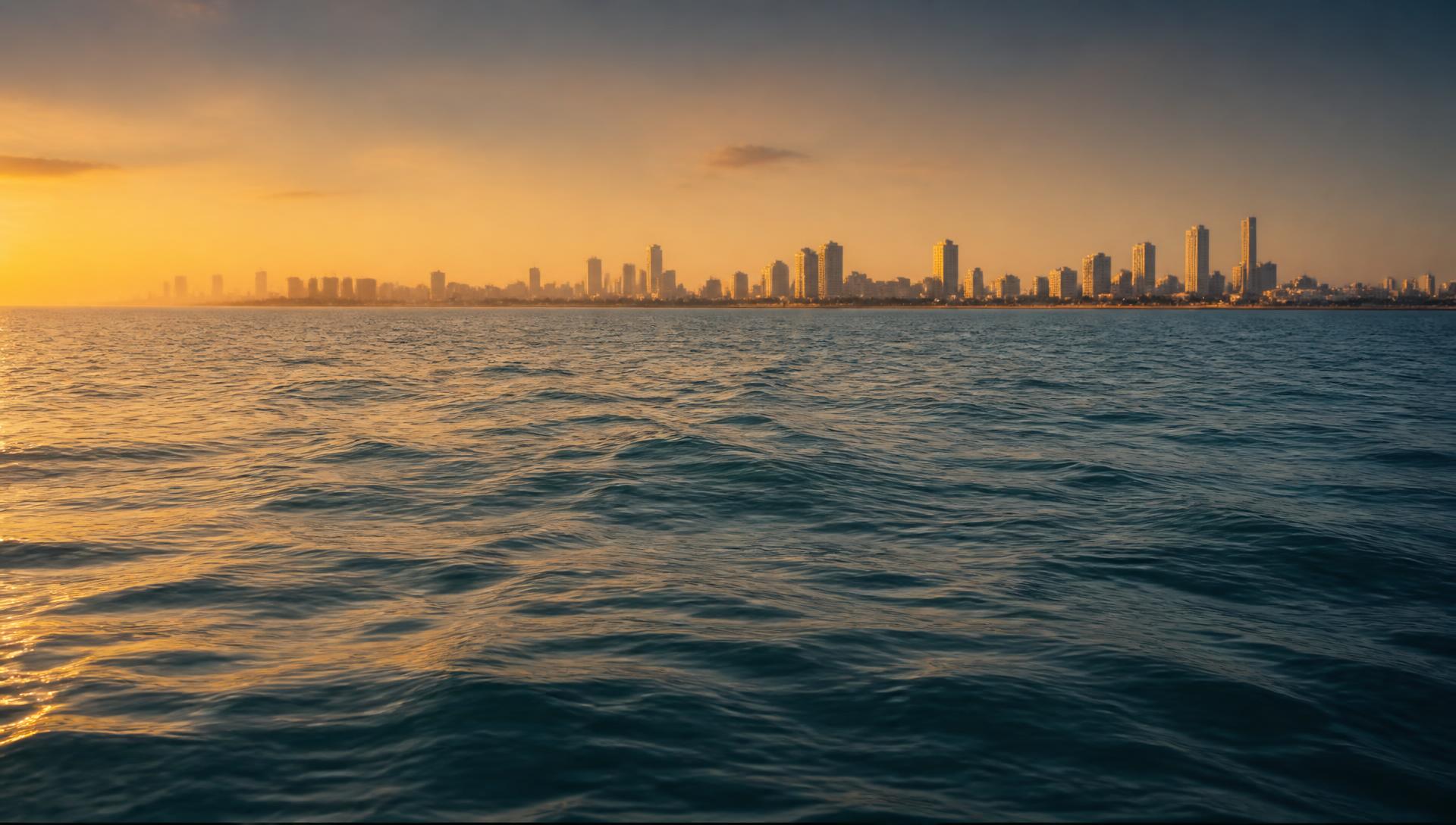
Researchers and citizens working together to monitor, report and forecast jellyfish swarms along the Israeli coast.
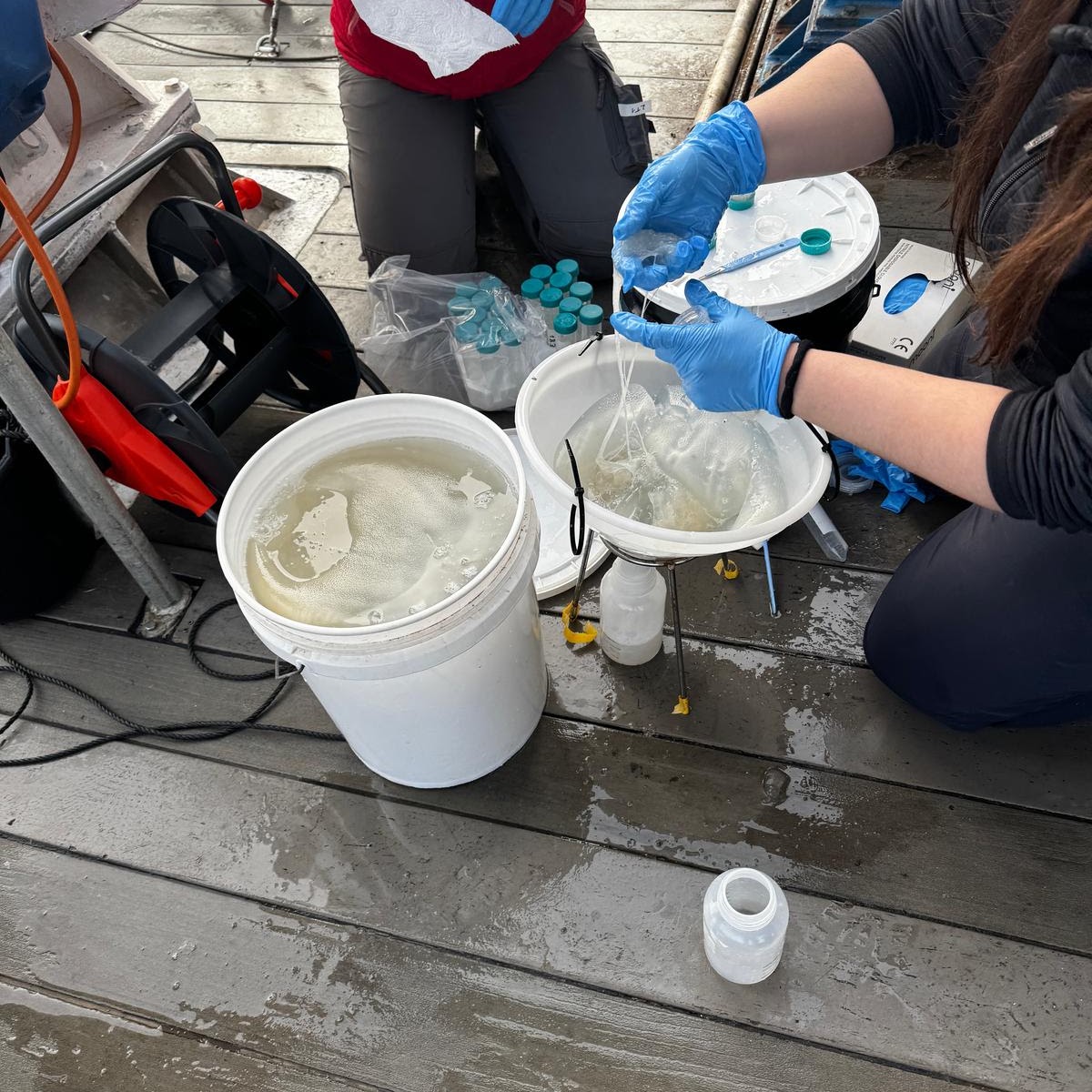
Exploring the Eastern Mediterranean — from jellyfish and plankton to plastic pollution and nature-based solutions — led by Prof. Dror Angel.
Four pillars, with citizen science running through all of them: the national reporting project Meduzot Ba'am.
We study swarm formation, seasonality and the ecological and economic effects of jellyfish along the Israeli coast.
We measure plastic particles in coastal waters, sediments and organisms, and follow their uptake through the food web.
We examine how marine farms interact with their surroundings, including integrated multi-trophic aquaculture.
We work on coastal adaptation in a warming Levantine basin and on solutions that use natural processes.
Applied research spanning public observations at the coast, laboratory imaging and European collaboration.
Citizen science
Researchers and citizens working together to monitor, report and forecast jellyfish swarms along the Israeli coast.

European project
Hybrid blue-grey marine and coastal infrastructures, combining nature-based solutions with ecosystem-based management.
Ongoing
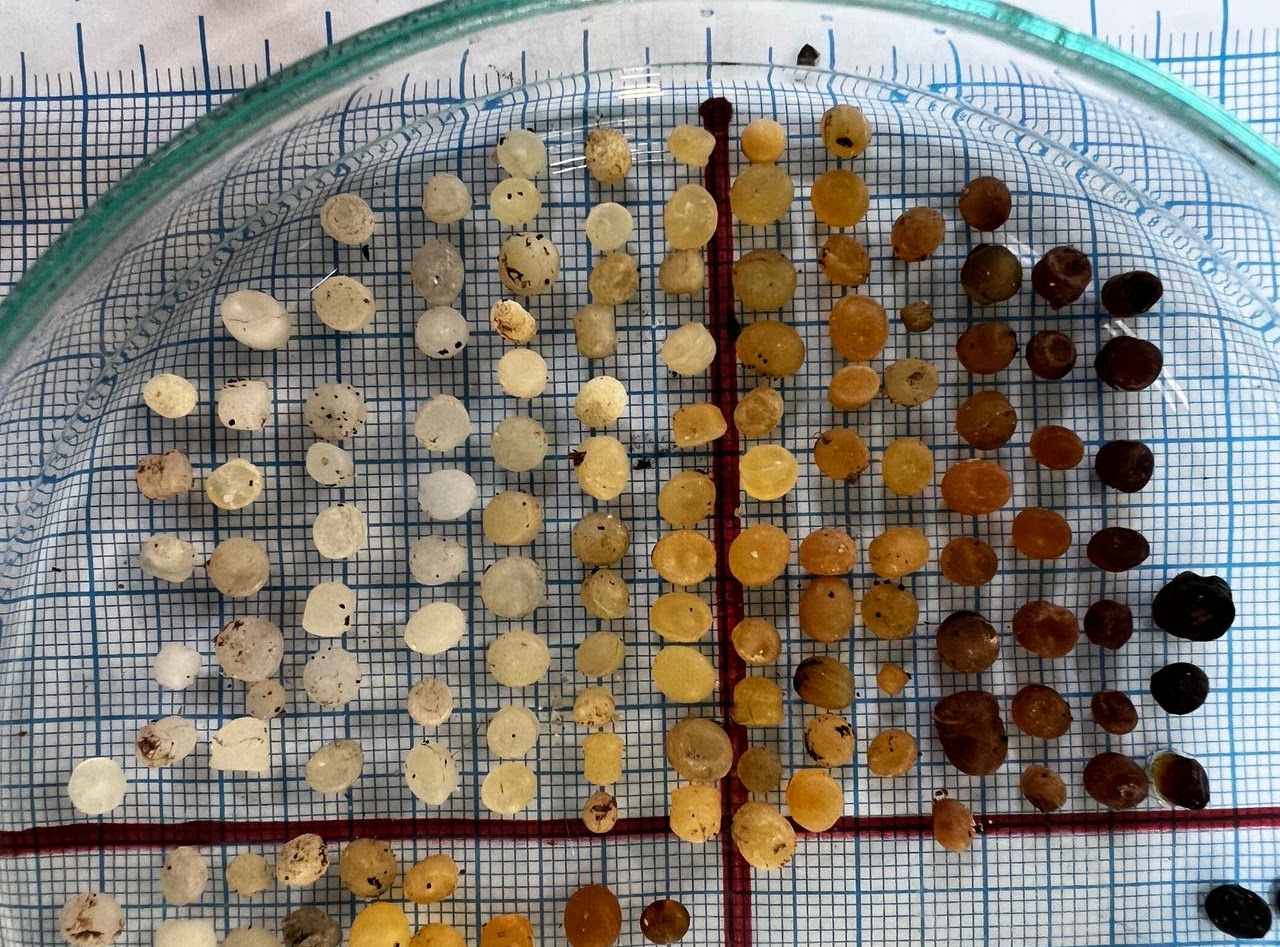
Integrated research on the identification, distribution and removal of microplastics from the environment and wastewater.
Research cruises
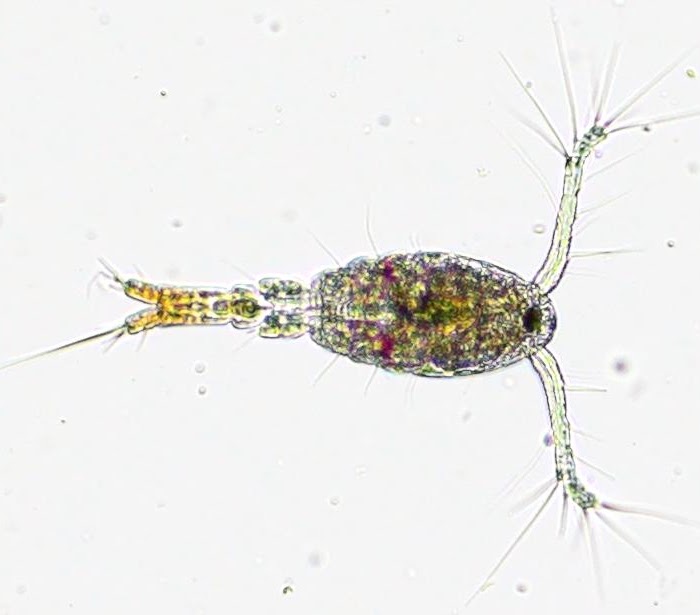
Plankton sampling, quantitative microscopy and automated imaging during marine research cruises.
AMBER Lab connects research cruises and coastal sampling with laboratory observation and citizen science involving pupils and the public. This continuum helps us understand changing marine systems — and turn evidence into action.
Based at the University of Haifa, the group collaborates with researchers, institutions and coastal communities in Israel and internationally.
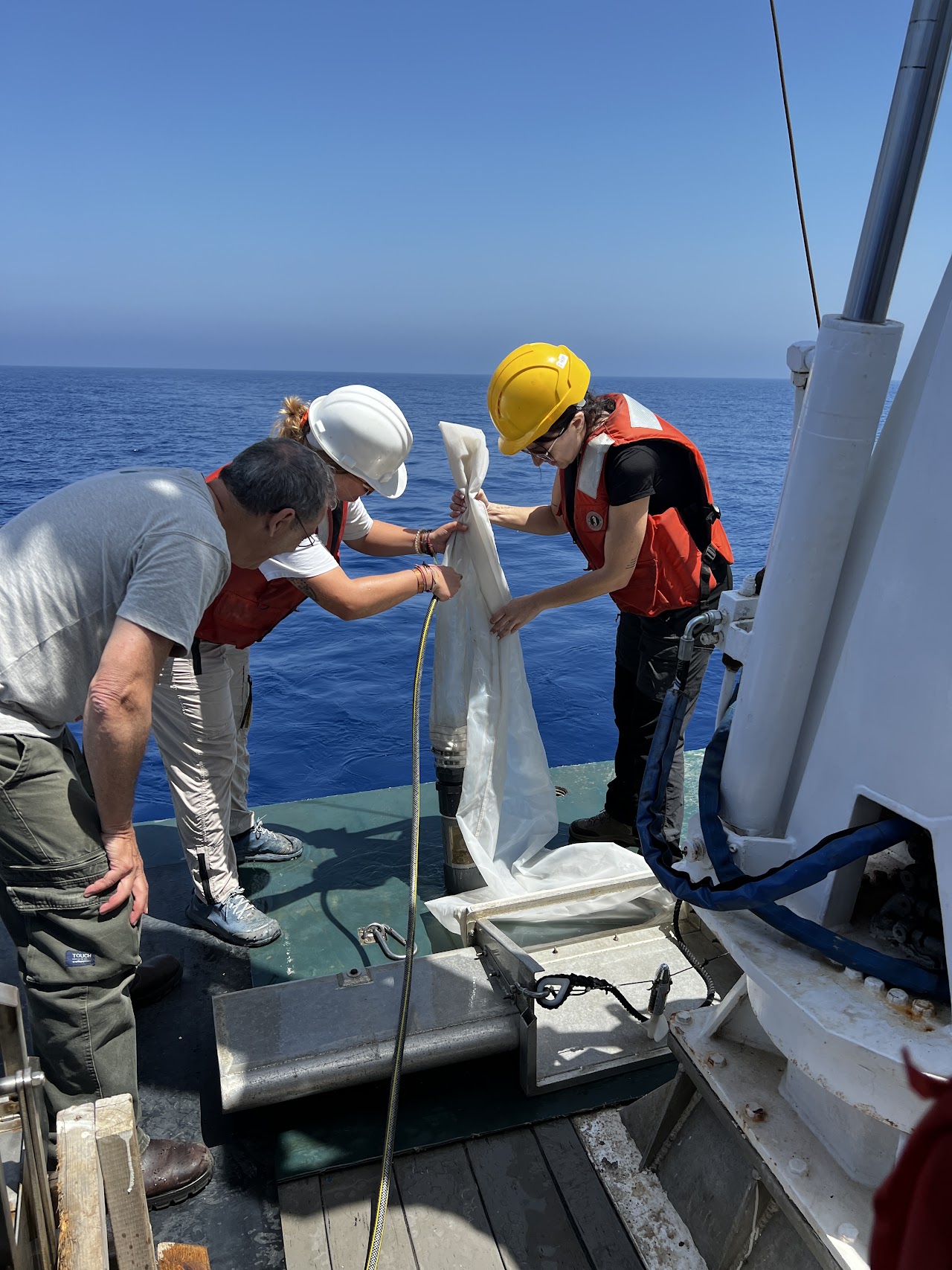
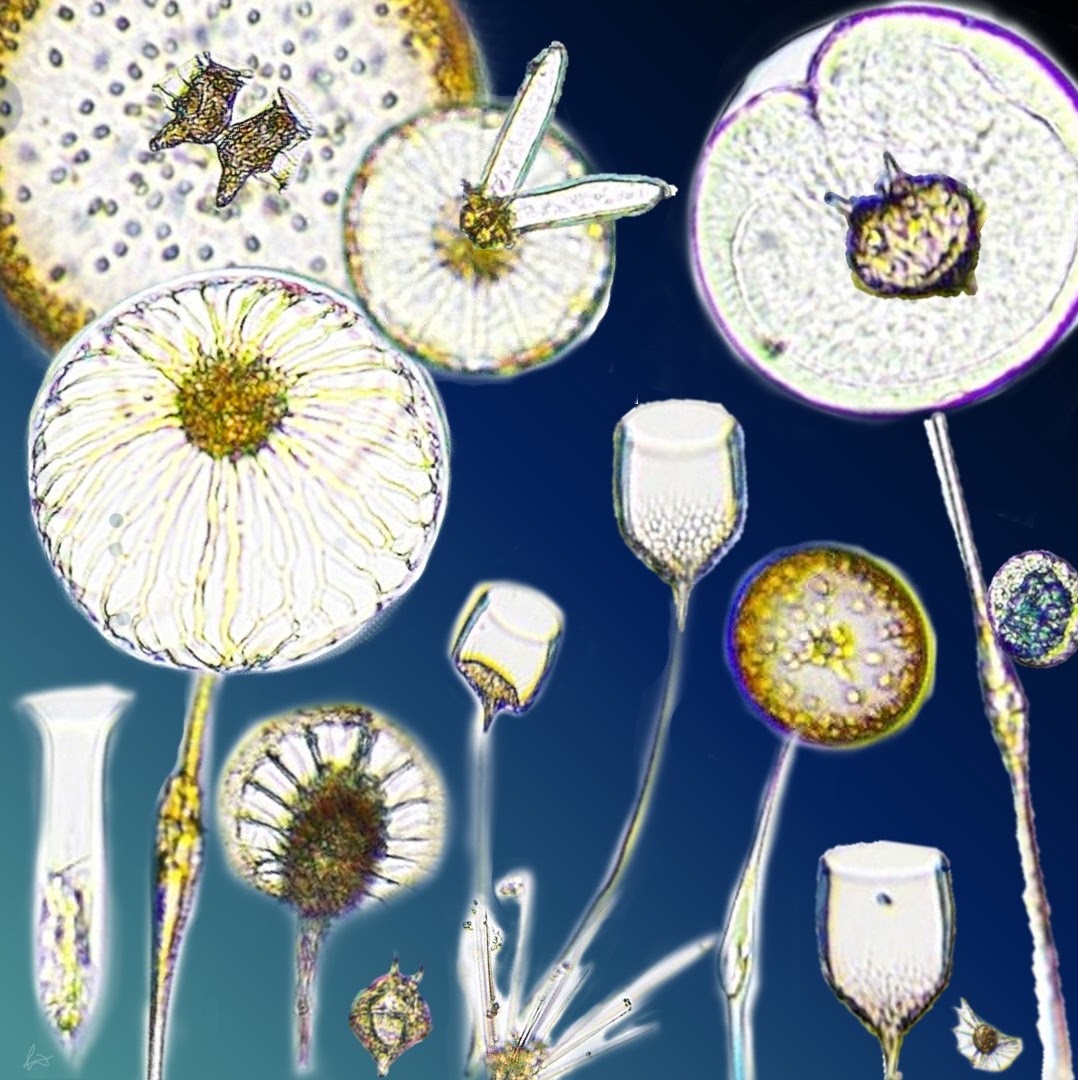
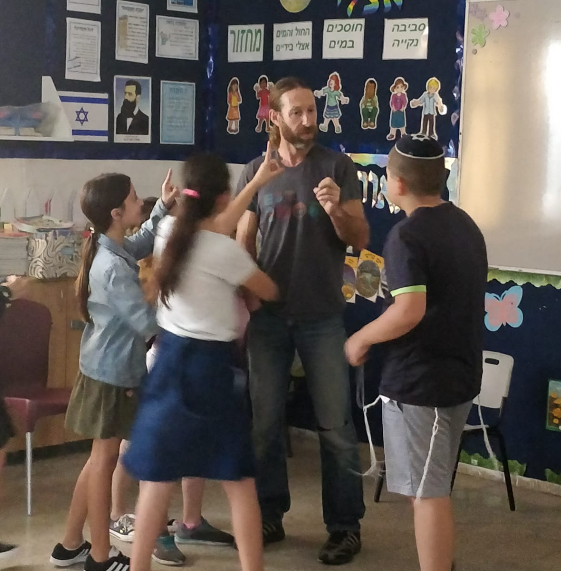
An interdisciplinary group led by Prof. Dror Angel, connecting marine ecology, technology, economics and public engagement.
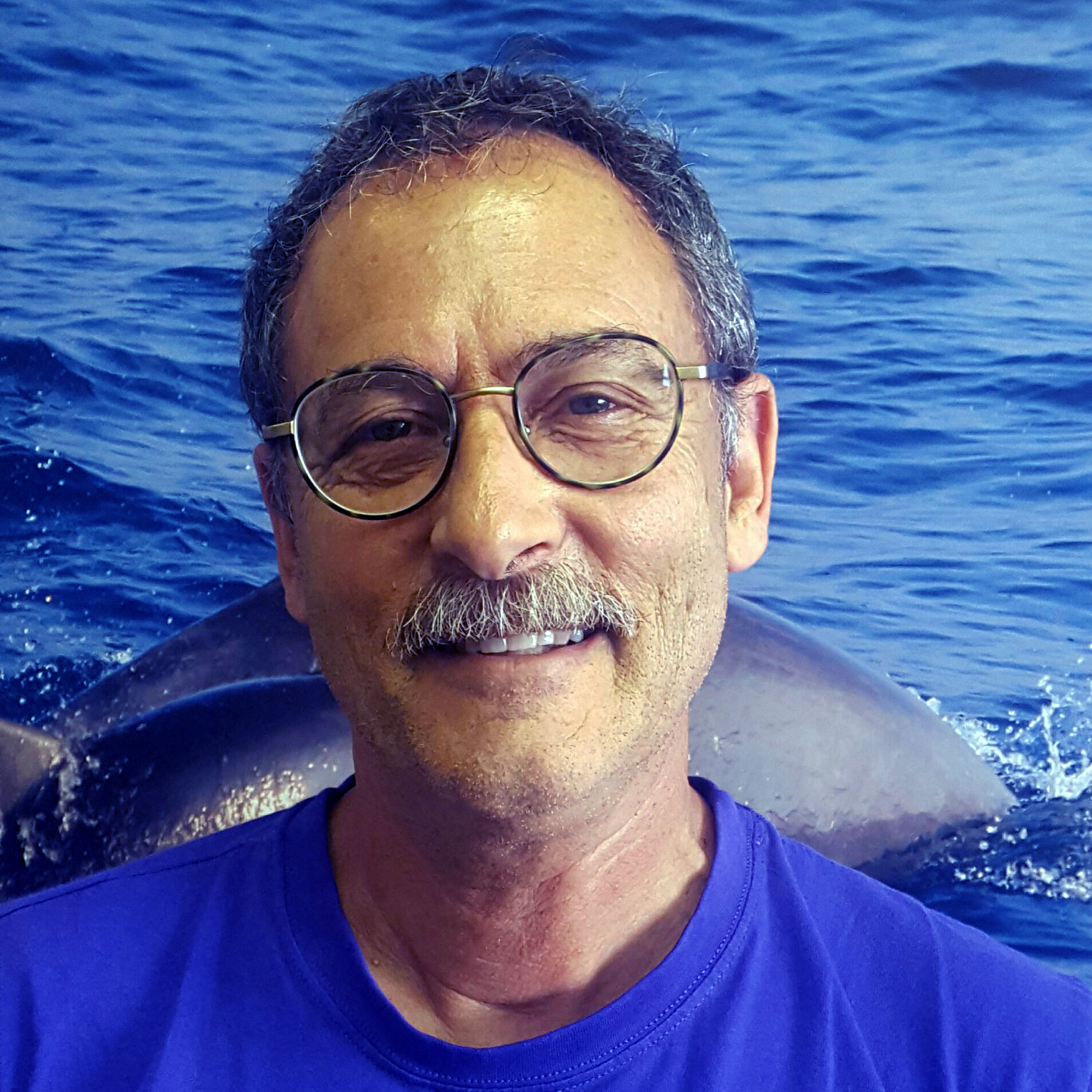
Head of the AMBER Lab
Marine Ecology, Gelatinous Zooplankton, Microplastics, Mariculture
Professor Dror Angel is a marine ecologist with considerable experience in plankton and benthic studies, focusing mainly on invertebrates and on marine microbes. He has a passion for gelatinous zooplankton and an interest in what enables many of these taxa to form blooms.
Meet the research group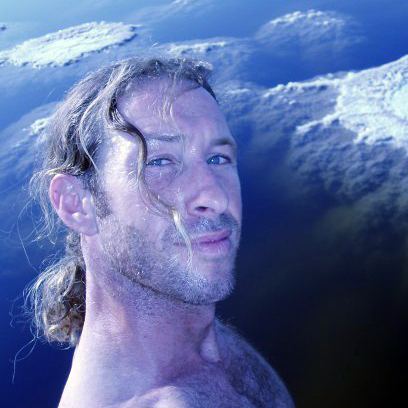
Co-Principal Investigator
Marine Ecology, Fisheries, Jellyfish
Co-Principal Investigator
Environmental Economics
AMBER Lab Manager
Field and laboratory operations, project management
Kuplik, Z., Dror, H., Tamar, K., Sutton, A. et al. · Diversity · 2026
JellyfishDOI 10.3390/d18020094
Avikasis Cohen, T., Angel, D.L., Brook, A. · The International Archives of the Photogrammetry, Remote Sensing and Spatial Information Sciences, XLVIII-M-7-2025 · 2025
Microplastics & NanoplasticsDOI 10.5194/isprs-archives-XLVIII-M-7-2025-305-2025
Callier, M.D., Filgueira, R., Byron, C.J., Brigolin, D. et al. · Reviews in Aquaculture · 2025
Aquaculture & Environment
Haaretz
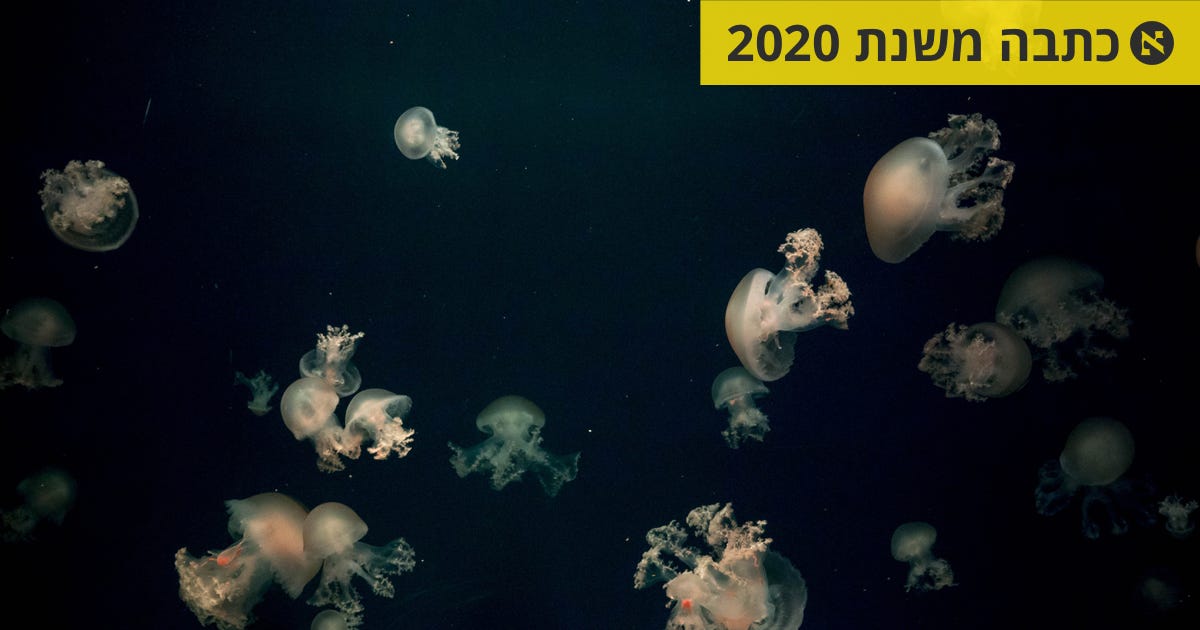
They have no brain, it is unclear what they feed on and nobody has ever seen how they develop at sea — yet they may well be of use to us. Israeli researchers, Prof. Dror Angel's group among them, dive into the sophisticated world of jellyfish (and get stung along the way).
Read the storyopens in a new tab
Ynet
Researchers have found that the oceans emit tiny plastic particles originating in our own waste, which may enter the body through the respiratory system. The report places marine microplastic research — a core theme of the AMBER Lab — in an everyday coastal context.
Read the storyopens in a new tab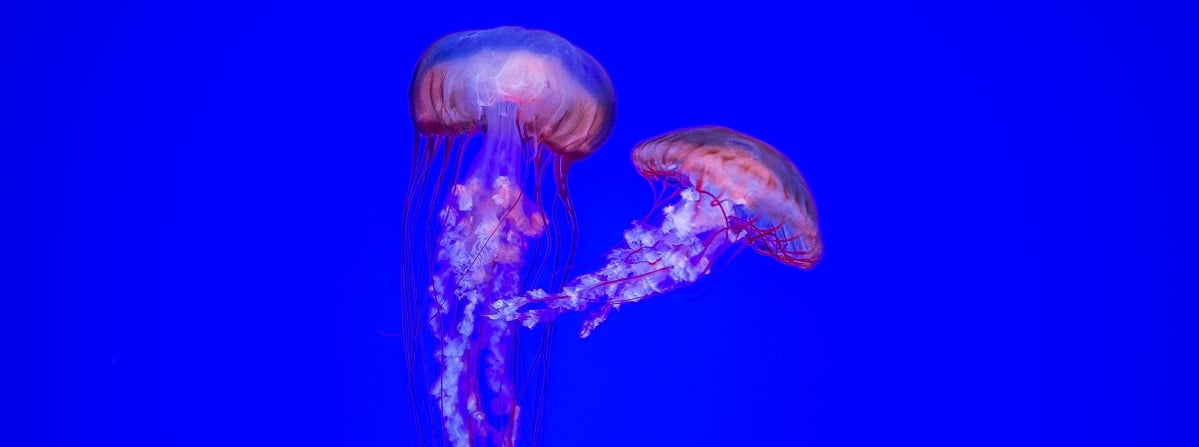
NoCamels
University of Haifa researchers, including Prof. Dror Angel's group, are part of the international GoJelly effort to develop a jellyfish mucus based filter that could help minimise microplastics in marine environments and in wastewater.
Read the storyopens in a new tabExplore our publications, take part in citizen science or contact us about research collaboration.