Jellyfish Inc.

Researchers and citizens working together to monitor, report and forecast jellyfish swarms along the Israeli coast.

Citizen scienceJellyfish

"Meduzot Baam" is a project in which researchers and citizens work together to improve the quality of life on the coast of Israel. Using a mobile app, citizens are encouraged to monitor and report swarms of jellyfish on Israeli beaches.

The data is analyzed by researchers to gain an understanding of jellyfish and how they affect Israeli industry and tourism. This project also aims to track and forecast jellyfish swarms in real-time, and to offer practical ways to avoid and treat jellyfish stings.

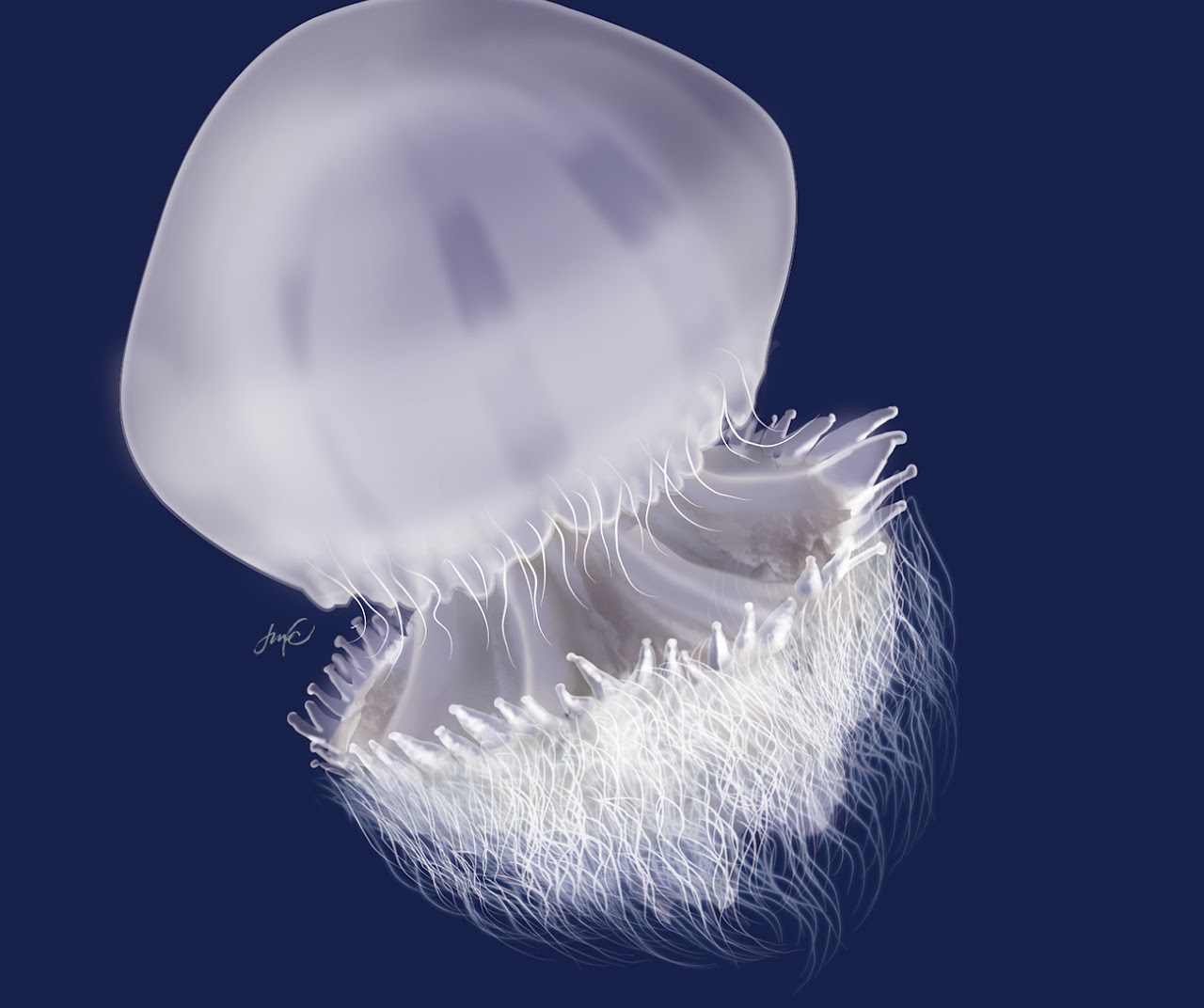
Meduzot Ba'am logo: a white line-drawn jellyfish on a green background

The Waze of jellyfish

Meduzot Ba'am is a kind of Waze for jellyfish: like the navigation app that became the default for Israeli drivers, this platform relies on user reports to help everyone else choose which beach to head for.

The disappointment of arriving at the beach loaded with umbrellas, coolers, kids and towels only to find that a jellyfish swarm got there first can now be avoided with a single tap that points bathers to a beach that is clear right now.

Fear of a sting — from direct contact with a jellyfish or with tentacles that detach from its body — keeps many people out of the water altogether. In practice, jellyfish are not present on every beach throughout the season: usually they are here in large numbers for about one month a year, typically in July. Real-time reports on where a swarm actually is let bathers minimise encounters and maximise their time in the sea.

The app draws on reports from the general public and on "gold reporters" — open-water swimmers, divers, sailors, fishers, windsurfers and surfers, SUP and kayak paddlers — who are out at sea many days a year, regardless of season or jellyfish presence.

The more reports arrive, and the more varied they are, the sharper the map becomes. A report that you saw no jellyfish is just as useful as a report of an encounter.
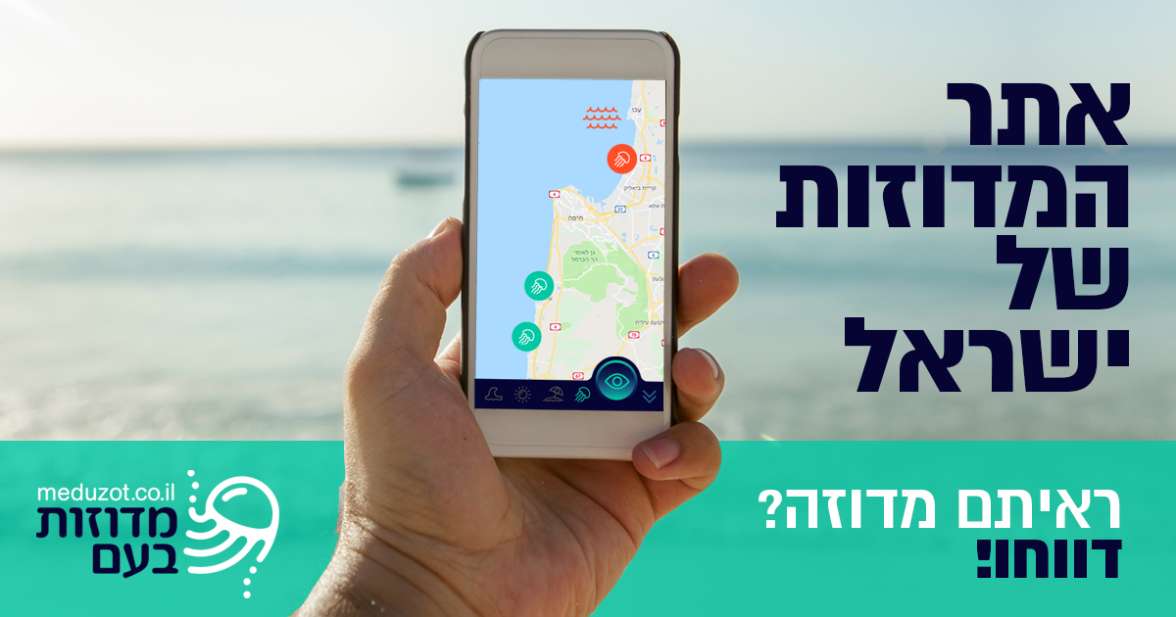
A hand holding a phone showing the Meduzot Ba'am jellyfish map, with the sea in the background
"Seen a jellyfish? Report it!" — the call to action of Israel's jellyfish site.

One map, thousands of eyes

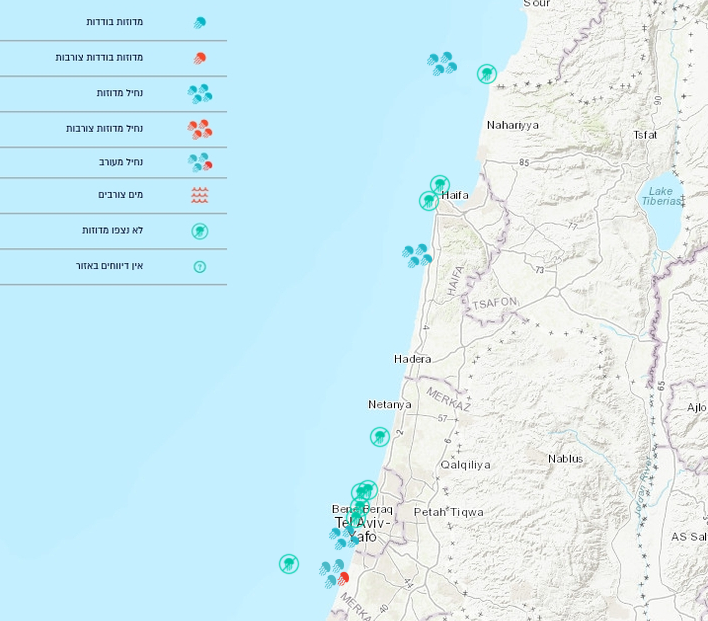
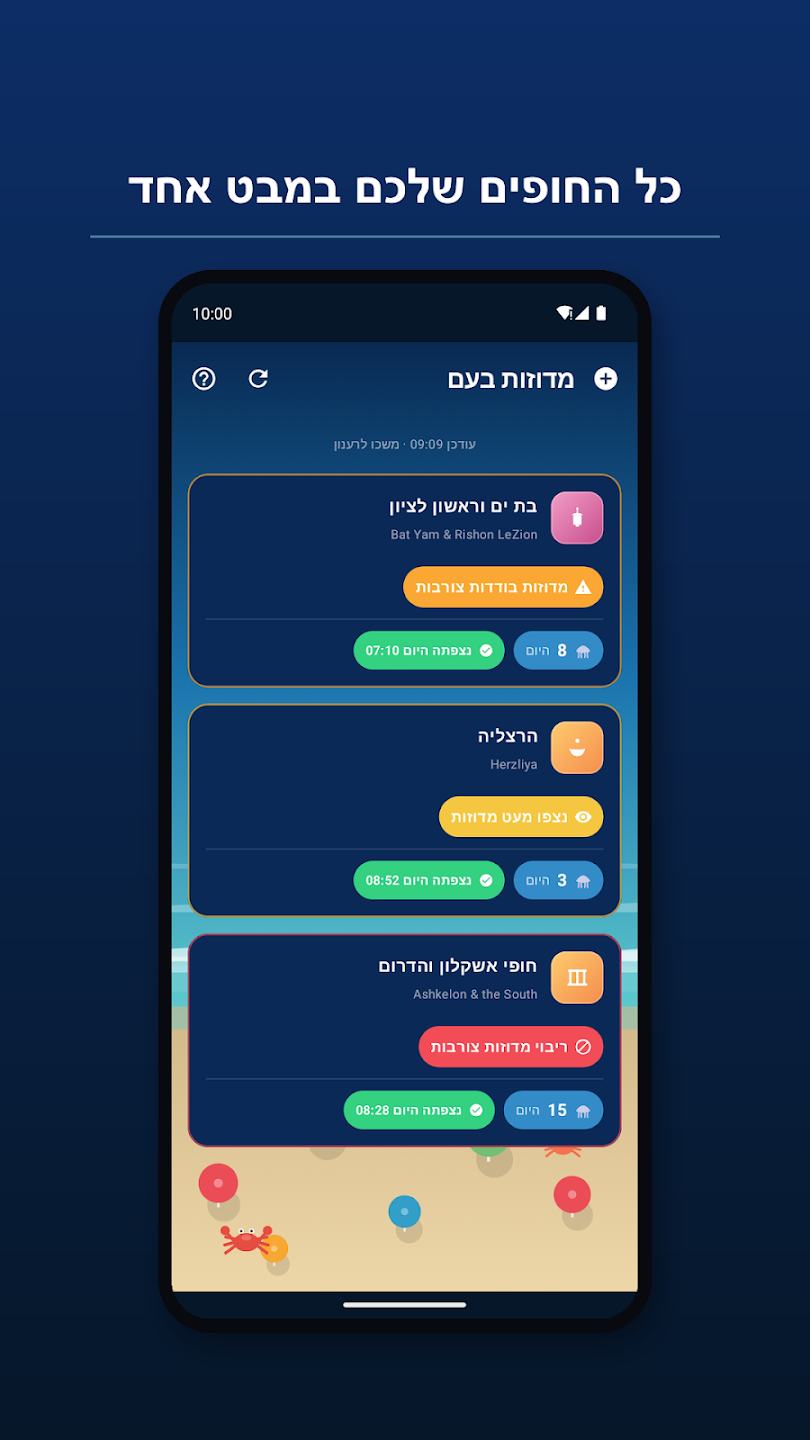
Every report feeds a live map of the Israeli coast: single jellyfish, swarms, stinging water or a beach that is completely clear. The app shows every beach at a glance, together with the time it was last checked.

Map of jellyfish reports along the Israeli coast with a Hebrew legend of report types
The report legend: single jellyfish, single stinging jellyfish, a swarm, a stinging swarm, a mixed swarm, stinging water, no jellyfish seen, and no reports in the area.
Screenshot of the Meduzot Ba'am app showing beach cards with jellyfish status and update times
"All your beaches at a glance" — the status screen in the app.

What the project is for

Jellyfish swarms on Israel's Mediterranean beaches have been known for decades, and you might expect that by now we would understand these animals well enough to issue a reliable forecast. In practice it remains hard to predict when swarms will appear, how long they will stay, or which species we will meet. The list of questions is far longer than the list of answers.

That knowledge gap is why a Hebrew-language site was built: to enlist everyone who visits or works at sea in collecting information about jellyfish along the Israeli coast, and to gather a great deal of practical information about them in one place.

Meduzot Ba'am is a citizen science project in which researchers and citizens join forces to improve quality of life on Israel's coast: real-time forecasting and warning of approaching swarms, quantification of the jellyfish within them, and dissemination of guidance on avoiding and handling stings.

By joining the community and sending reports, contributors consent to the use of their data, which is stored securely and made available to researchers only. Reports also feed the Digital Twin of the Ocean built in the EU Iliad project, where they may in future also be used commercially — with full protection of reporters' privacy and no disclosure of personal details.

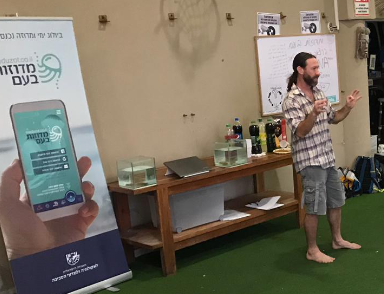
A researcher presenting the Meduzot Ba'am project at a diving club, beside a project banner and small aquariums
A meeting with a diving club: divers are among the project's "gold reporters".

Who we are

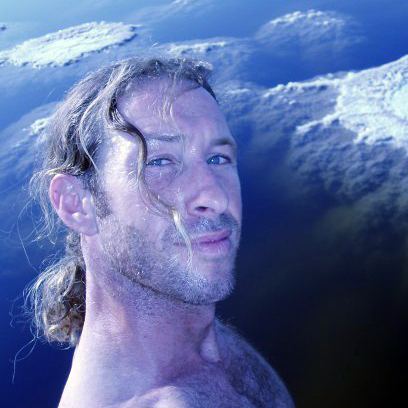
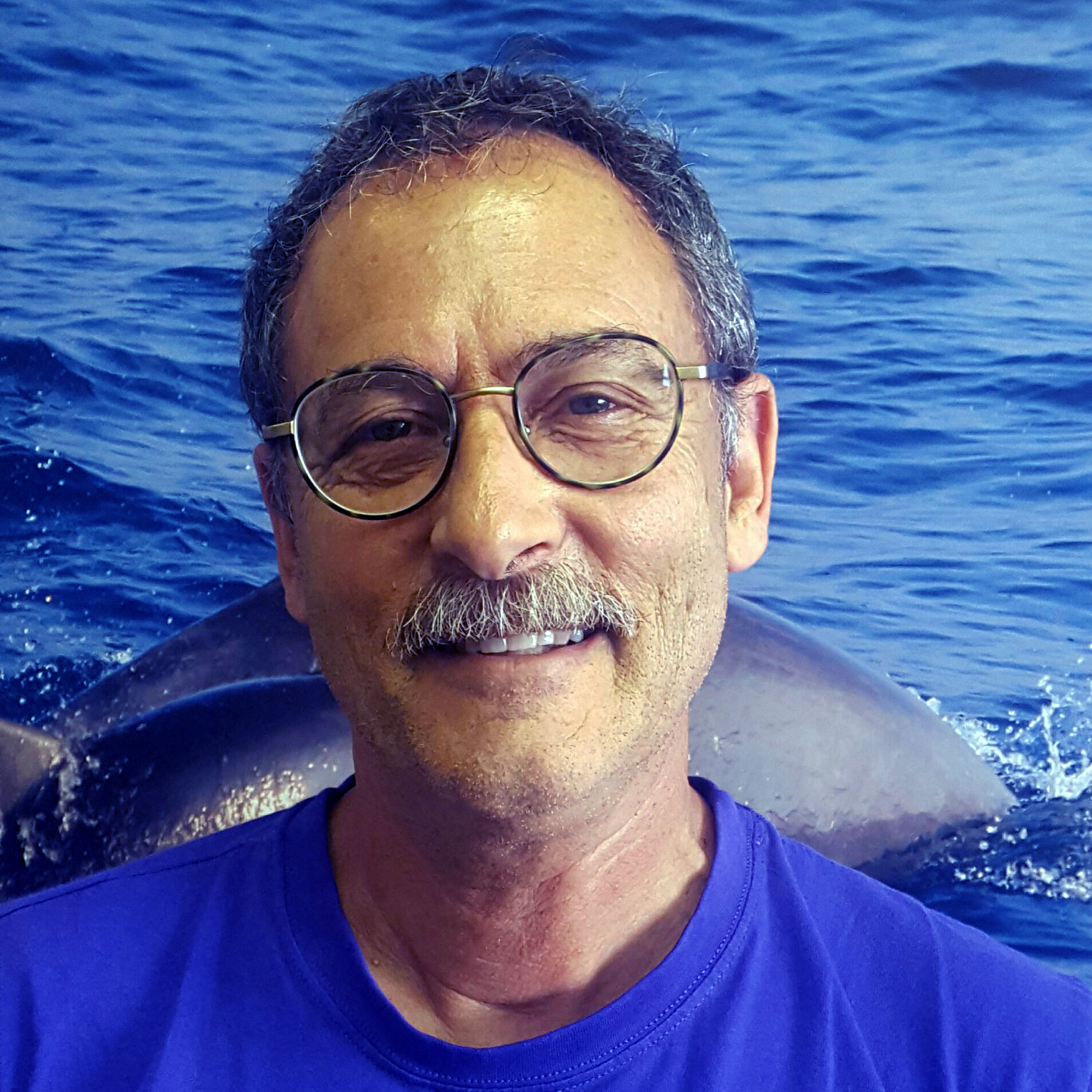
Portrait of Dr. Dor Edelist in the sea

Dr. Dor Edelist

Marine ecologist

Studying jellyfish since 2008, with expertise in fisheries and invasive species. He reads the sea through large datasets, tracing trends in time and space to bridge academia and the world outside it — how jellyfish and comb jellies affect people and are affected by them, and how that knowledge reaches the public.

Portrait of Prof. Dror L. Angel at sea

Prof. Dror L. Angel

Marine ecologist, AMBER Lab

Studies life in the water column and on the seabed, and the changes organisms undergo when their habitat shifts: climate change, pollution, oxygen stress, species invasions and aquaculture. A specialist in plankton research in general and jellyfish in particular.

Partners

EU Iliad — Digital Twin of the Ocean

An EU-funded project that builds on two decades of investment in blue-economy policy and infrastructure to establish an interoperable, data-intensive and cost-effective Digital Twin of the Ocean.

See the Iliad project page

The Israeli Society for Ecology and Environmental Sciences

The Society's vision is that scientific knowledge on environmental issues in Israel serves as a firm basis for national and local decision-making, accessible to policymakers, civil-society organisations and the wider public. It works to nurture the scientific community and improve environmental policy by promoting scientific discourse and making it accessible.

In the media

The project has been covered in the Israeli media and in professional magazines.

A video report on Meduzot Ba'am and how public reports become a jellyfish forecast.

Focus areas

  • Mobile app reporting by the public
  • Real-time tracking of jellyfish swarms
  • Forecasting swarm arrival
  • Impacts on industry and tourism
  • Practical guidance on stings