Jellyfish
Multidisciplinary research on jellyfish of the Mediterranean and Red Seas, from life cycle and reproduction to potential applications.
We conduct multidisciplinary research on jellyfish from the Mediterranean and Red Seas, spanning their life cycle and reproduction to the exploration of potential applications.
Our work includes studies of jellyfish mucus, stinging cells, and associated parasites, alongside continuous collaboration with the public through citizen reports of jellyfish observations.
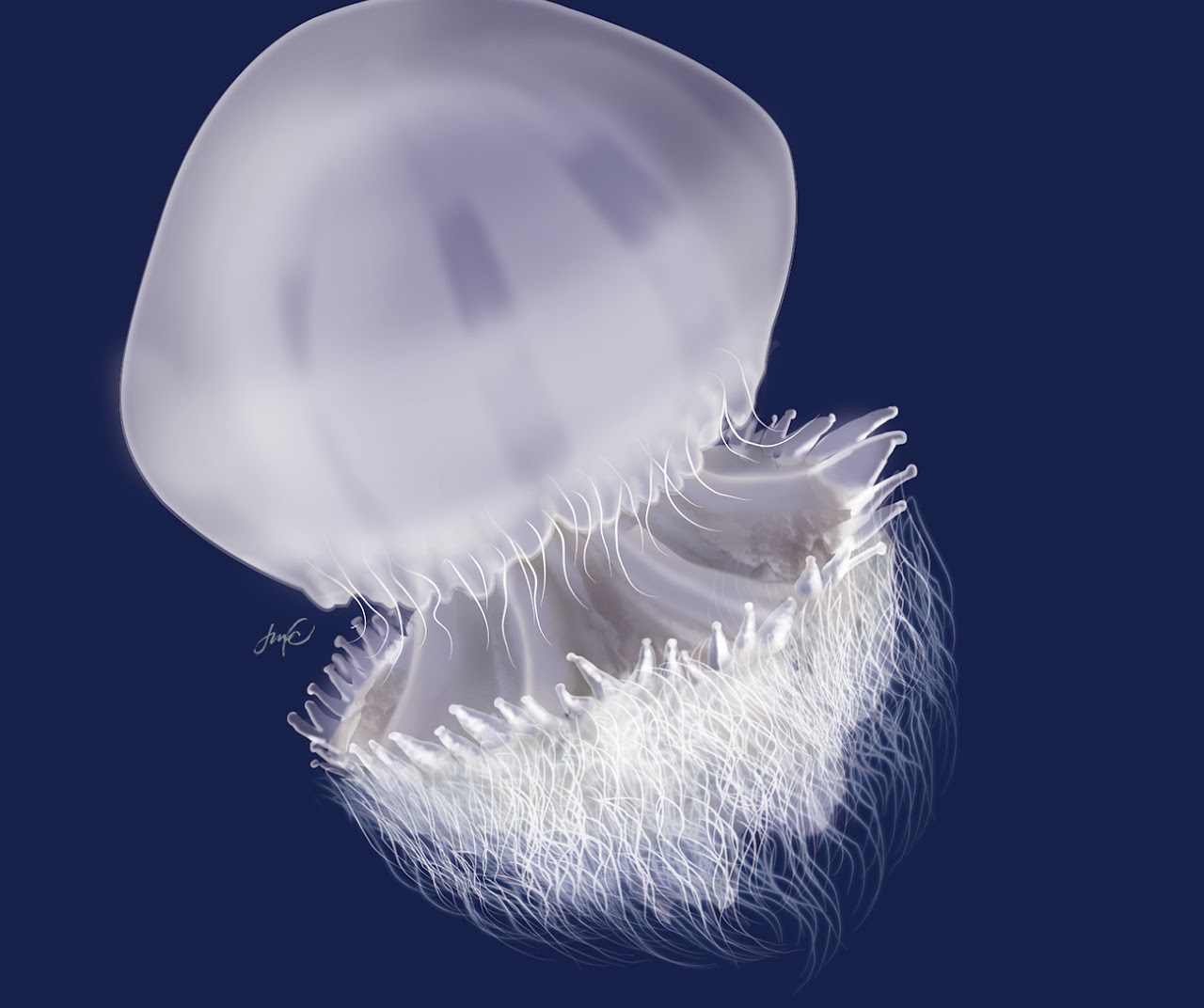
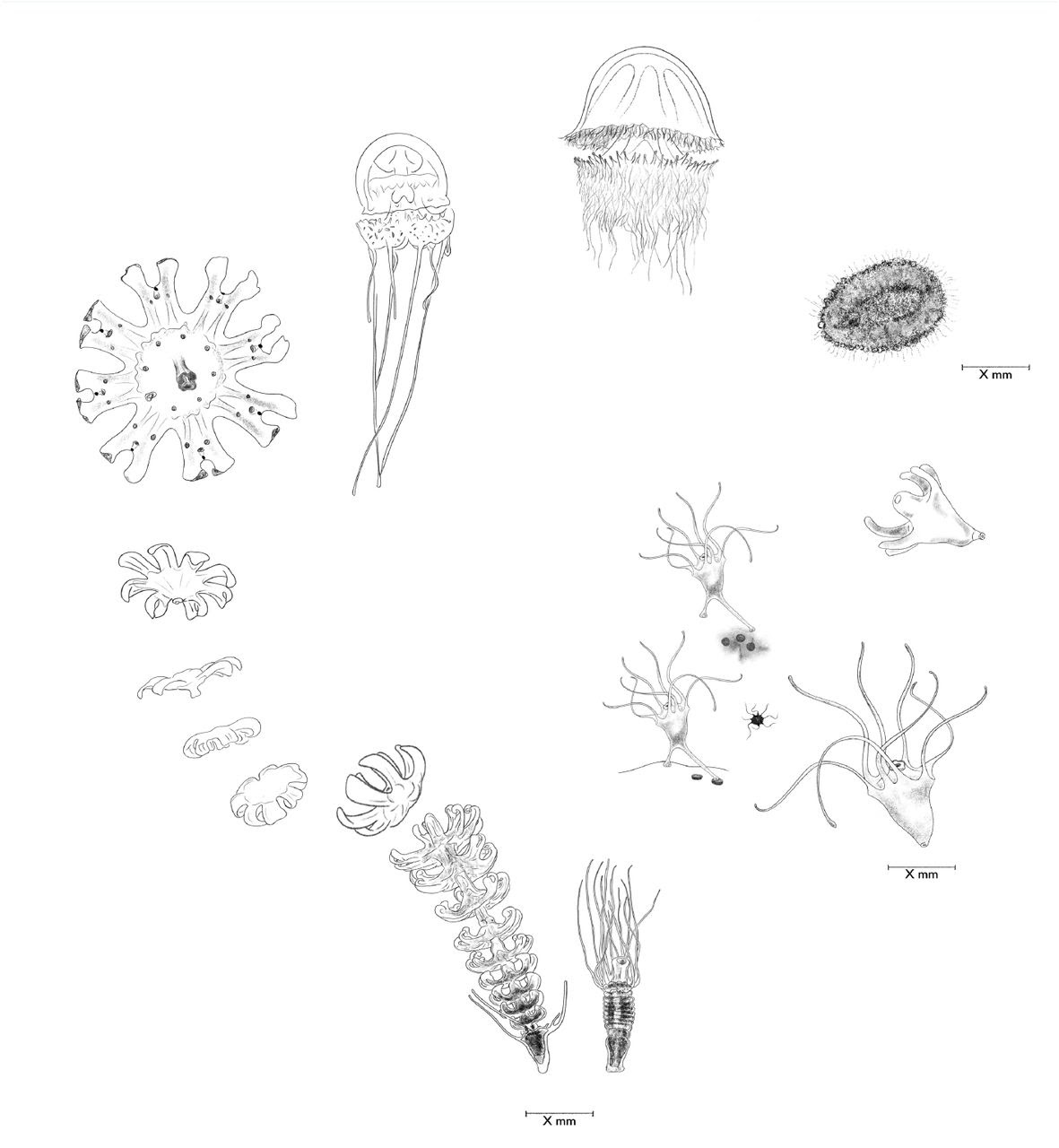
Rhopilema nomadica life cycle
A complex life cycle connects the free-swimming medusa with small, substrate-attached stages. Documenting these stages supports research into reproduction, development and bloom formation.
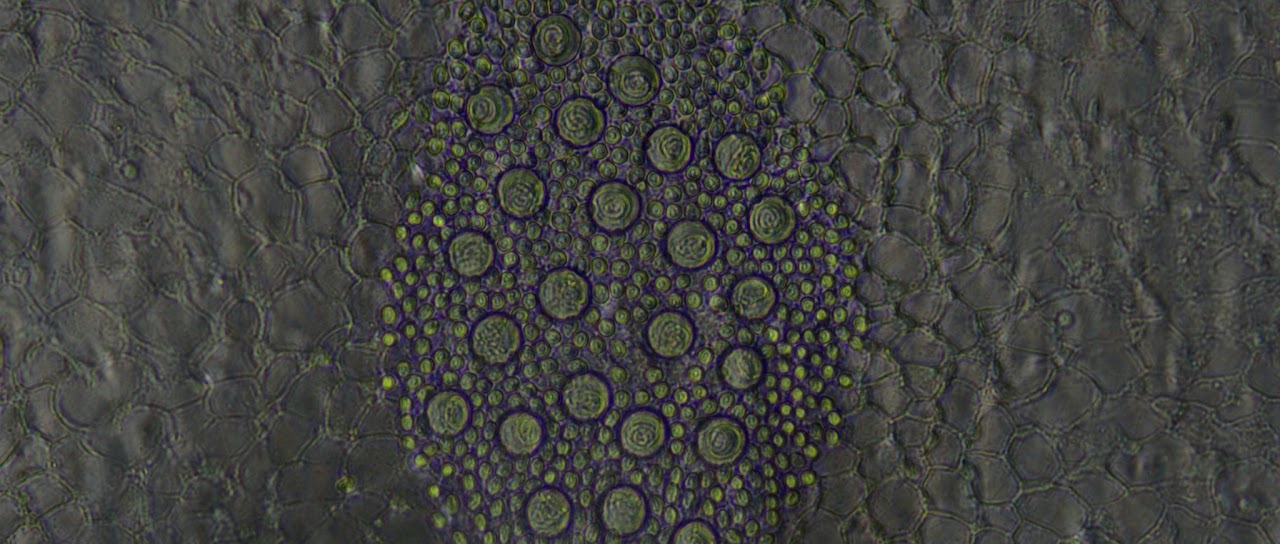
Nematocysts
Nematocysts are microscopic stinging capsules housed within the specialized cells of jellyfish. Microscopy allows us to examine their form, distribution and organization within the tissue.
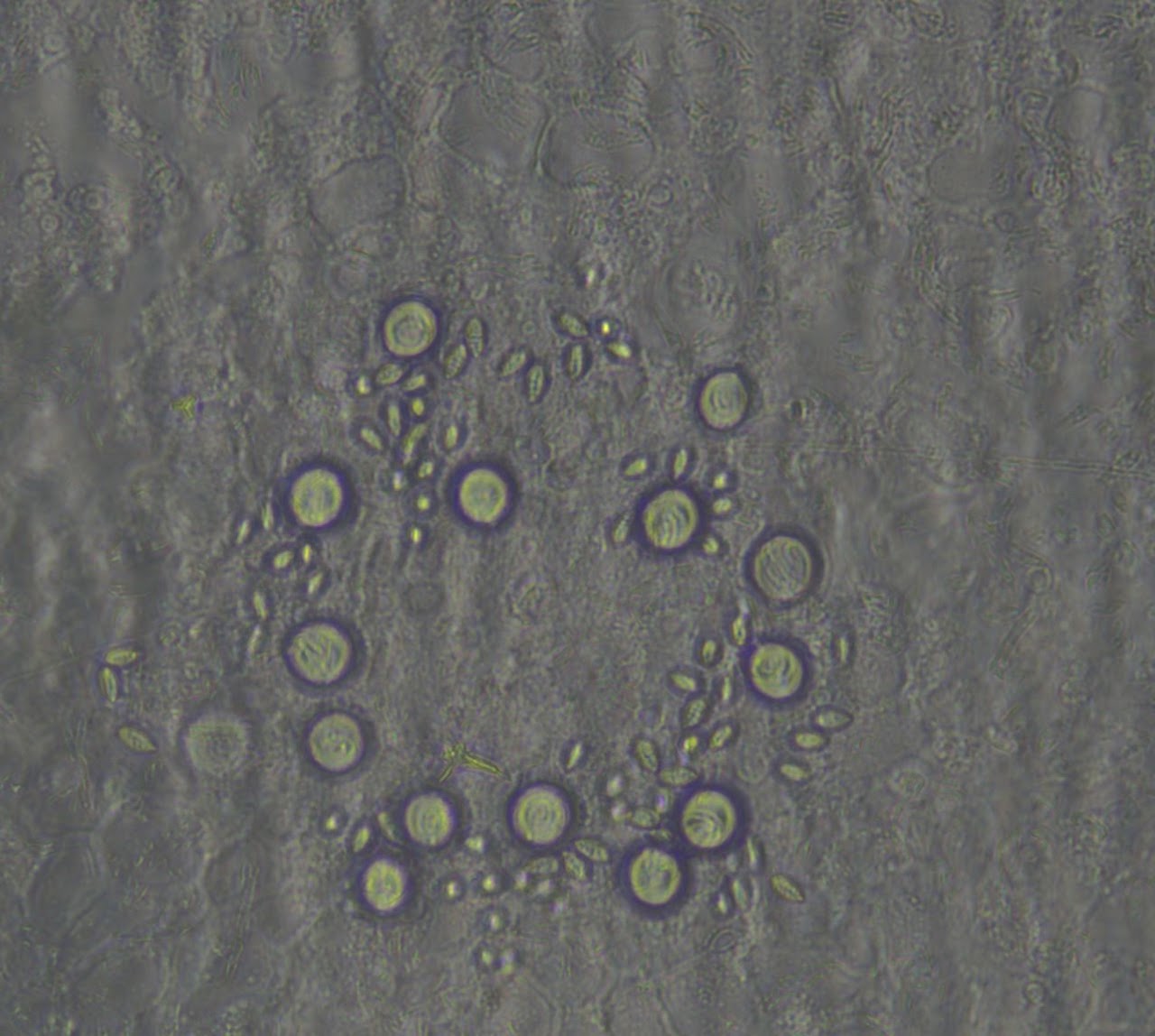
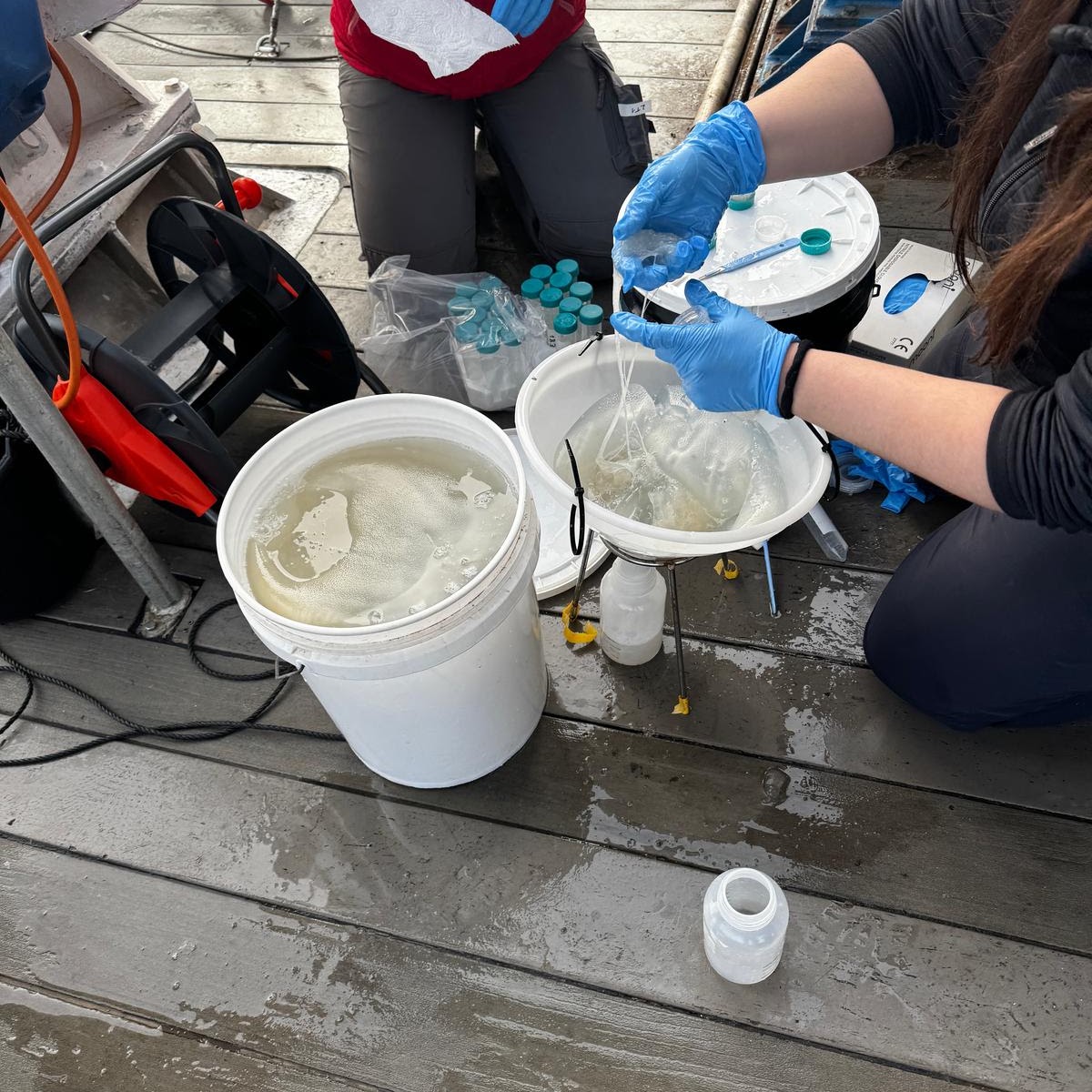
Collecting jellyfish mucus
Mucus released by jellyfish is collected under controlled field conditions and transferred into sample containers for laboratory work. The collection process preserves sample traceability while keeping the material connected to the biological and environmental conditions in which it was produced.
These samples support investigation of the biological properties of jellyfish mucus and the exploration of potential applications.
Focus areas
- Life cycle, reproduction and polyp ecology
- Jellyfish mucus and its properties
- Stinging cells (nematocysts)
- Parasites associated with jellyfish
- Public reporting of jellyfish observations
More projects
 TRANSEATIONHybrid blue-grey marine and coastal infrastructures, combining nature-based solutions with ecosystem-based management.
 Jellyfish Inc.Researchers and citizens working together to monitor, report and forecast jellyfish swarms along the Israeli coast.
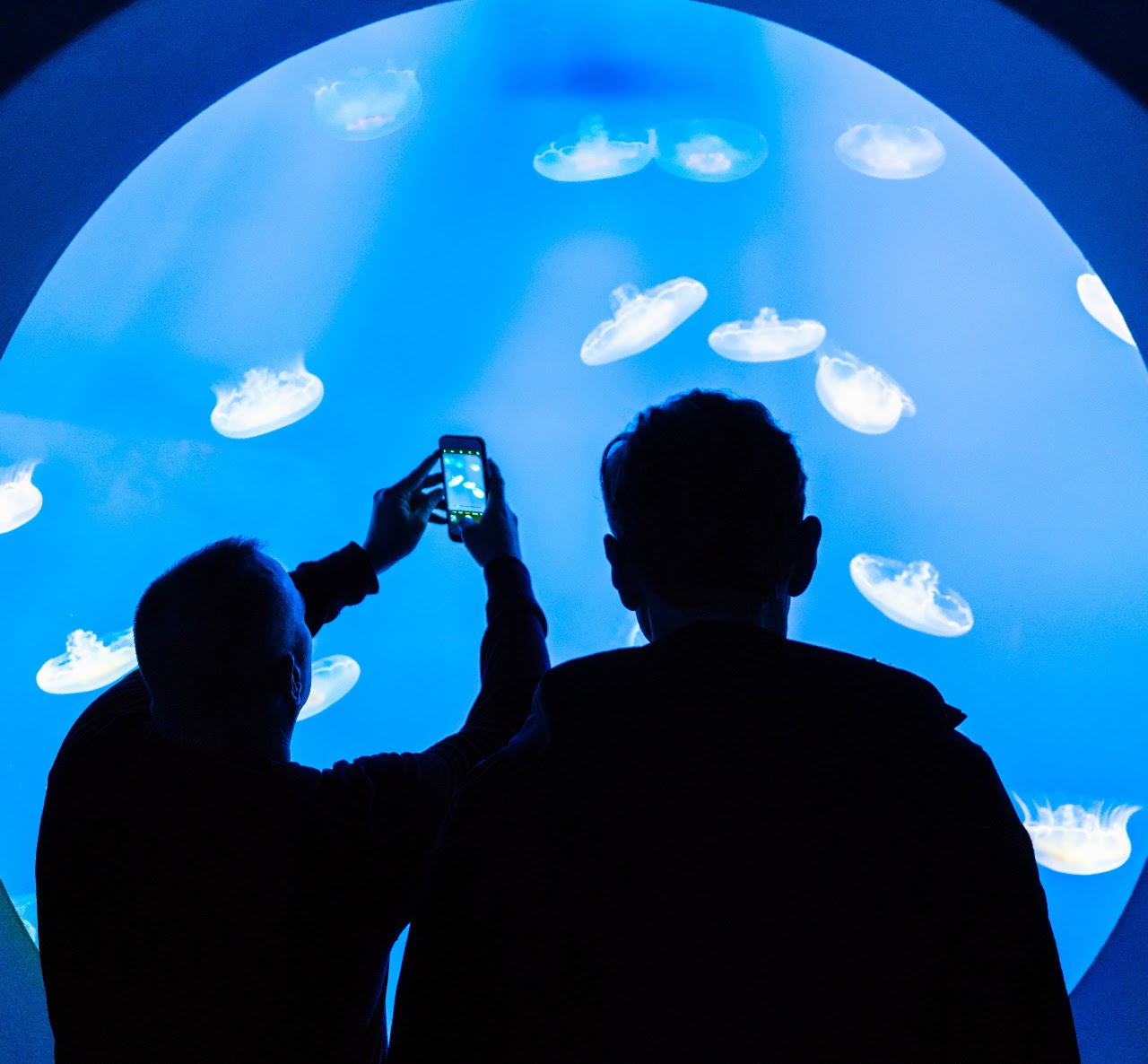 Citizen SciencePublic jellyfish reports, educational outreach and research that connects marine science with communities.
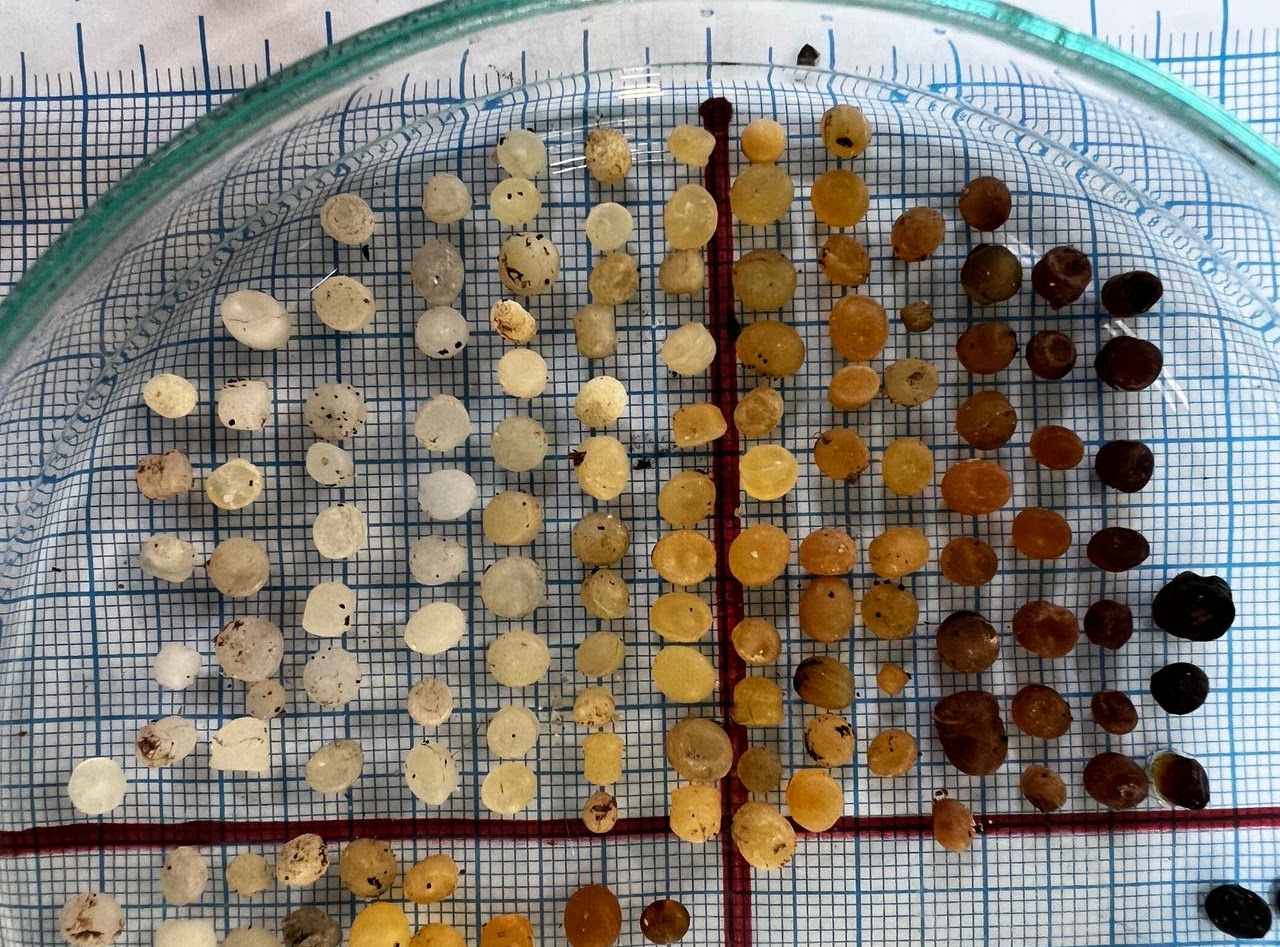 MicroplasticsIntegrated research on the identification, distribution and removal of microplastics from the environment and wastewater.
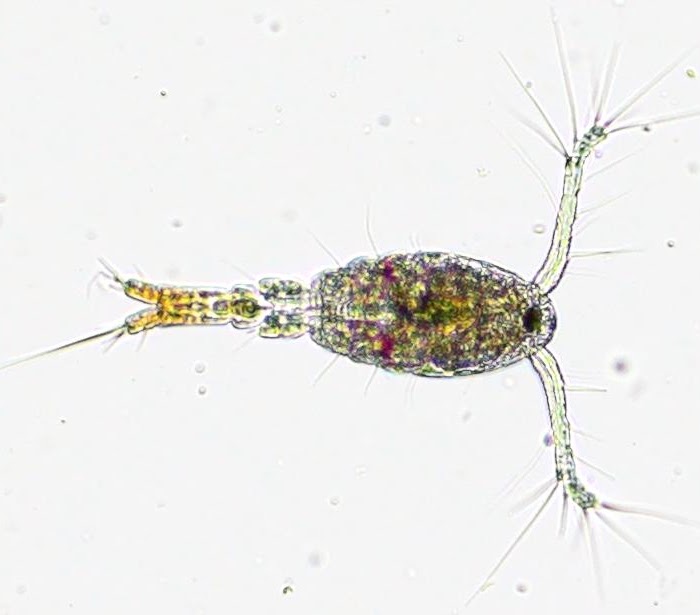 PlanktonPlankton sampling, quantitative microscopy and automated imaging during marine research cruises.
 Carbon SequestrationA nature-based pathway for long-term carbon storage in the oxygen-free depths of the Black Sea.